Neck Pillows for Desk Workers and Posture Correction
Combatting forward head posture with cervical stretchers and targeted office chair support rolls.
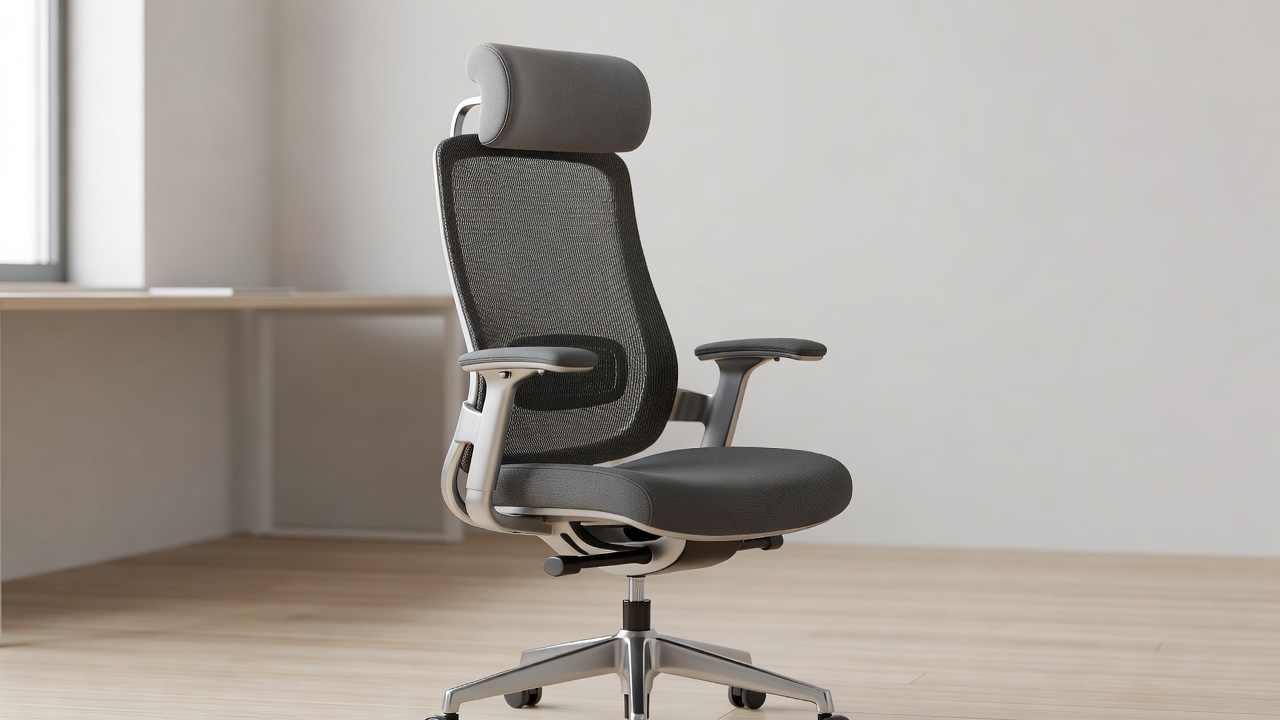
The Danger of Static Spinal Loading
While most neck pillows are associated with travel and sleep, a growing category focuses entirely on posture correction and active support during long hours of seated desk work. Staring at a monitor for hours frequently leads to Forward Head Posture (FHP), colloquially known as "tech neck."
For every inch the head moves forward of the body's center of gravity, the weight borne by the cervical spine effectively doubles. A 10-pound head held three inches forward places a static load of roughly 40 pounds on the muscles and ligaments of the neck and upper back. This sustained tension leads to headaches, muscle spasms, and over time, structural degradation of the cervical discs.
Wearable Support vs. Chair Attachments
Using a traditional travel pillow while working at a desk is generally ill-advised. The bulky front and side sections restrict natural movement and fail to address the core problem of forward leaning. Instead, desk workers should look toward two specific types of neck support:
1. Chair-Mounted Cervical Rolls
Unlike standard flat headrests, a cervical roll is a dense, cylindrical foam cushion that straps directly onto the backrest of an office chair. It is positioned to fit perfectly into the curve of the neck (the cervical lordosis) rather than supporting the back of the skull. This physical barrier acts as a proprioceptive cue. When the user unconsciously leans forward, they lose contact with the roll, triggering them to sit back and realign their spine. These are often used in tandem with lumbar rolls to ensure holistic spinal alignment.
2. Posture Collars (Active Wearables)
For workers without high-backed chairs, low-profile posture collars provide an alternative. These are much slimmer than travel pillows and wrap tightly around the neck. They rest lightly against the collarbones and under the jawline. They are not designed to hold the weight of the head completely, but rather to prevent the chin from jutting downward and forward. By providing gentle resistance when the posture deteriorates, they train the muscles to maintain a neutral position.
Restorative Cushions: The Cervical Traction Block
Outside of active working hours, desk workers benefit enormously from restorative stretching. Cervical traction blocks (or relaxers) are rigid, contoured foam blocks designed to be used while lying flat on the floor for 10 to 15 minutes a day.
These blocks cradle the base of the skull and gently stretch the neck upward and outward. This passive traction decompresses the cervical vertebrae, allowing compressed discs to rehydrate and encouraging tightened anterior neck muscles to lengthen. Unlike travel pillows, traction blocks are strictly therapeutic devices and are not designed for sleep.