Thermoregulation: Cooling Gel Neck Supports Explained
Understanding the thermodynamics of specific heat capacity and how cooling gels mitigate the thermal insulation of memory foam.
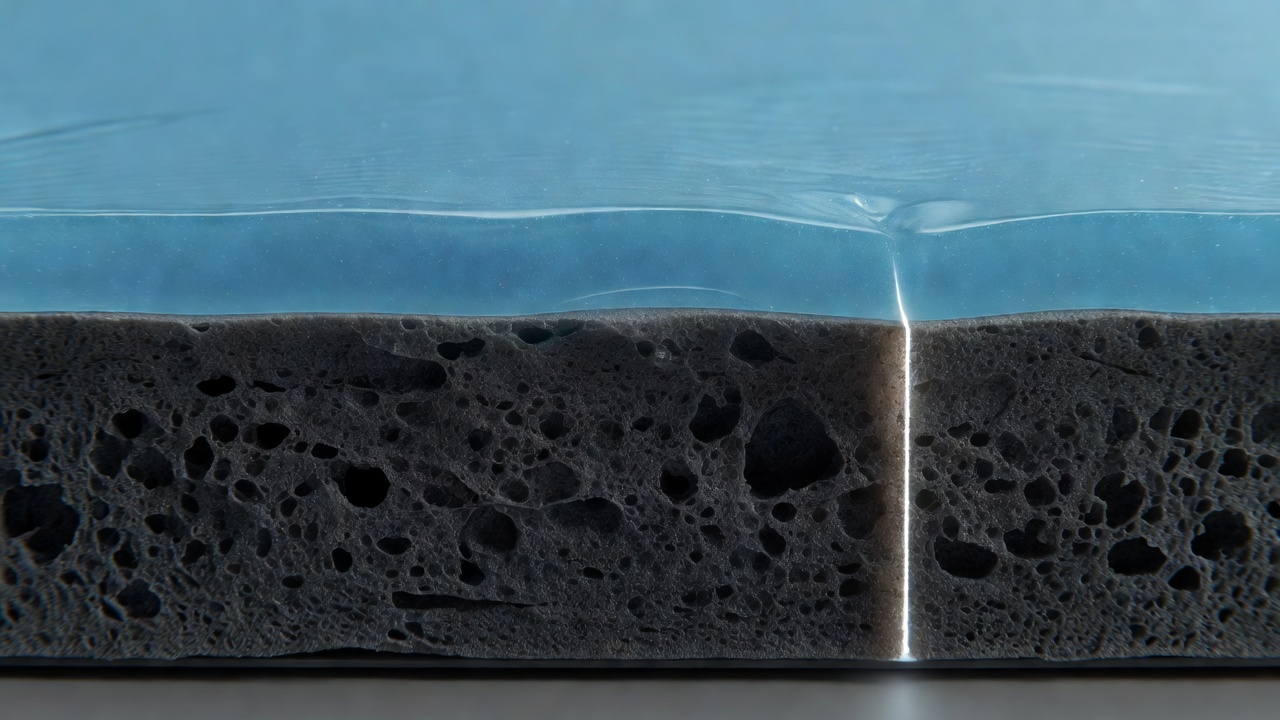
The Heat Retention Problem
The human body relies heavily on the head and neck for thermoregulation. When sleeping, our core temperature naturally drops, and excess heat is radiated away. Traditional neck pillows—particularly those made of high-density memory foam—act as highly effective thermal insulators. They trap this radiated heat against the skin, raising local skin temperature and leading to sweating, discomfort, and interrupted sleep cycles.
To counteract this, the sleep industry introduced conductive cooling gel technology. By bonding a layer of dense polyurethane gel to the surface of a memory foam core, manufacturers aim to draw heat away from the skin through thermal conduction.
How Cooling Gels Work: Specific Heat Capacity
Cooling gels do not magically generate cold air. Instead, their effectiveness relies on the physics principle of specific heat capacity. In simple terms, specific heat capacity is the amount of heat energy required to raise the temperature of a substance.
The gels used in neck pillows have a high specific heat capacity compared to air or standard foam. When your warm neck contacts the gel layer, heat transfers from your skin (higher temperature) to the gel (lower temperature). Because the gel requires a large amount of energy to warm up, it feels cool to the touch for an extended period. Eventually, however, thermal equilibrium is reached, and the gel will reach ambient body temperature.
Types of Cooling Integration
- Laminated Gel Pads: A solid sheet of patterned gel is adhered directly to the surface of the memory foam. This provides the most immediate and noticeable cooling sensation but adds significant weight to the pillow and can make the surface feel slightly firmer.
- Gel-Infused Foam: Liquid gel beads are mixed into the polyurethane foam during the curing process. While this doesn't provide the initial "ice-cold" shock of a laminated pad, it improves the overall thermal conductivity of the foam without adding excessive weight or altering the firmness profile.
- Phase Change Materials (PCMs): Advanced pillows use microencapsulated PCMs. These substances absorb heat by changing their state (e.g., from a solid to a liquid at a microscopic level). PCMs offer the most sustained thermoregulation, actively absorbing and releasing heat to maintain a constant temperature, rather than simply delaying heat buildup.
The Role of Cover Fabrics
A cooling gel core is entirely ineffective if wrapped in a highly insulative fabric like thick fleece or velour. For the conductive properties of the gel to work, the pillow cover must be highly breathable and thin. Manufacturers typically pair gel cores with moisture-wicking synthetic blends, such as polyester-spandex mesh or specialized athletic fabrics designed to facilitate rapid evaporation and heat transfer.
Advantages of Cooling Gels
- Provides rapid, soothing heat dissipation upon initial use.
- Reduces localized sweating around the neck and collarbone.
- Maintains the contouring benefits of memory foam while mitigating its primary drawback.
Disadvantages of Cooling Gels
- Adds noticeable weight. Gel is a heavy material.
- The cooling effect is temporary; it eventually equalizes with body heat.
- Solid gel pads can restrict the flexibility and moldability of the underlying foam.