The Comprehensive Guide to Memory Foam Neck Pillows
Viscoelastic polyurethane density, temperature responsiveness, and why cellular structure matters for your cervical spine.
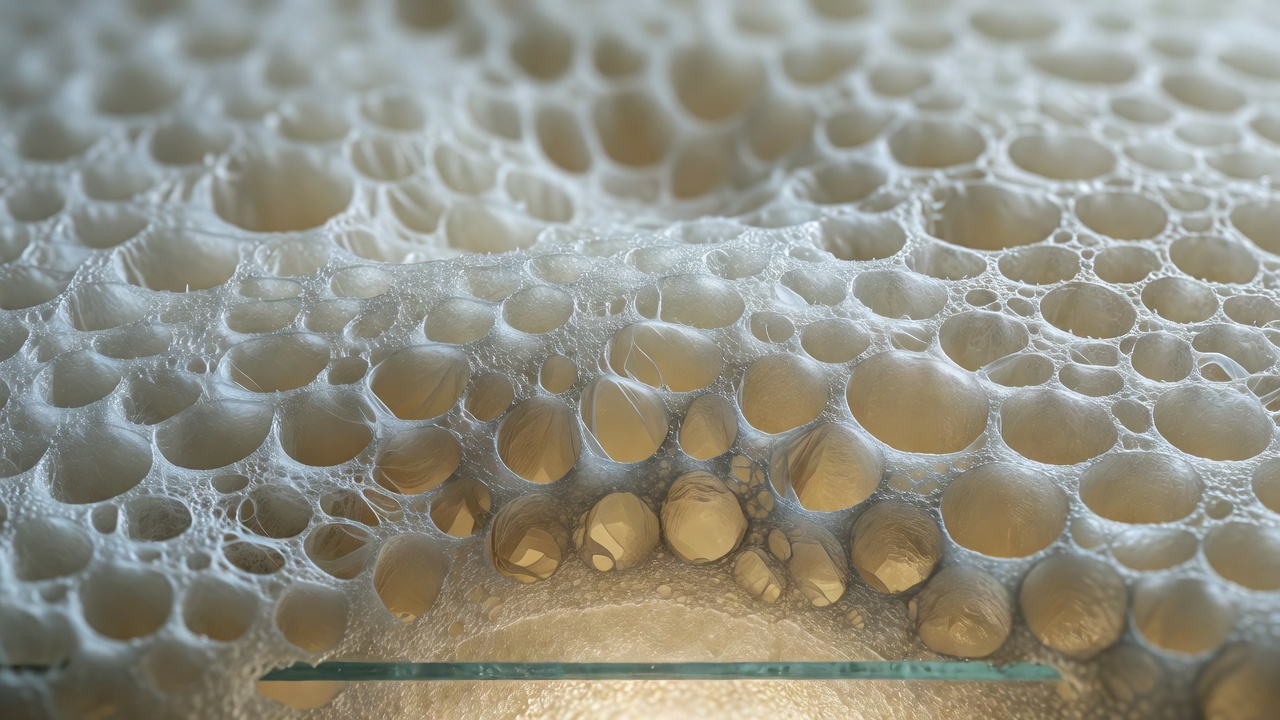
The Science of Viscoelastic Polyurethane Foam
Originally developed under a NASA contract in the 1970s to improve seat cushioning and crash protection for airline pilots and passengers, memory foam is technically known as viscoelastic polyurethane foam. It has become the gold standard in the neck pillow industry, largely due to its unique physical properties. But not all memory foam is manufactured equally, and understanding the core metrics of foam density and temperature responsiveness is crucial when selecting a support cushion.
The term "viscoelastic" points to two distinct characteristics. "Viscous" means the material moves slowly and reluctantly under pressure—much like honey. "Elastic" means it returns to its original shape once the pressure is removed. When body heat and weight are applied to a memory foam neck pillow, the foam's matrix softens, allowing it to conform precisely to the curve of the cervical lordosis (the natural inward curve of the neck).
Density Ratings Explained
When assessing a memory foam neck pillow, the most vital specification is its density, typically measured in pounds per cubic foot (lbs/cu ft) or kilograms per cubic meter (kg/m³). Density directly dictates the supportiveness, durability, and weight of the pillow.
- Low Density (Under 3 lbs/cu ft): These foams are soft, highly responsive, and compress quickly. While they feel immediately plush, they often lack the structural integrity to prevent the head from tilting too far laterally during sleep, leading to muscle strain.
- Medium Density (3 to 5 lbs/cu ft): This is the sweet spot for most travel pillows. It provides an optimal balance, yielding enough to prevent pressure points on the jaw and collarbone, while maintaining enough push-back to keep the spine aligned.
- High Density (Over 5 lbs/cu ft): Heavily supportive and highly durable. These pillows are excellent for severe structural support but can feel overly rigid, especially in cold environments where memory foam naturally stiffens.
Temperature Responsiveness and Heat Retention
A fundamental property of traditional memory foam is that its firmness is entirely dependent on temperature. In a cold airplane cabin, a high-density memory foam pillow will feel noticeably harder than it does at room temperature. As your body heat transfers into the foam, the cellular walls relax, and the pillow begins to contour.
This same mechanism is responsible for memory foam's biggest drawback: heat retention. Because traditional memory foam features a relatively closed-cell structure, airflow is restricted. The material traps the body heat required to soften it. To combat this, manufacturers often modify the foam production process.
Open-Cell vs. Closed-Cell Structures
Modern neck pillows frequently utilize an "open-cell" memory foam structure. During the curing process, gases are introduced to blow open the internal cell walls. This creates an interconnected network of microscopic air passages. While it does not entirely eliminate heat buildup, an open-cell structure significantly improves ventilation and reduces the time it takes for the pillow to return to its original shape.
Advantages of Memory Foam
- Unmatched pressure relief by distributing weight evenly across the surface area.
- Exceptional vibration dampening, crucial for train and airplane travel.
- Custom contouring that supports unique jaw and neck geometry.
- Silent during movement, unlike microbead or air-filled alternatives.
Disadvantages of Memory Foam
- Significant bulk. Cannot be compressed into a pocket-sized package.
- Prone to retaining body heat, causing sweating in warm environments.
- Becomes rigid in cold temperatures until warmed by body heat.
- Heavier than inflatable or hollow-fiber alternatives.
Compression, Packing, and Durability
Travelers often tightly compress memory foam pillows into small carry-on pouches. While high-quality memory foam can withstand this, leaving the pillow compressed for extended periods (such as storing it rolled up for months between trips) will eventually damage the cellular structure. The foam will lose its elastic properties, resulting in a pillow that fails to loft fully and feels permanently flattened.
If you invest in a premium, medium-to-high density memory foam neck support, always store it uncompressed in a cool, dry environment when not actively traveling.